A 3.5 km loop, cut the way the old Totonacapan footpaths were cut: by hand, with bamboo and chijol. It ends at a lookout 211 metres up, with the whole jungle below you.
Distance
3.5 km
2.2 mi · full loop
Elevation gain
100 m
lookout at 211 m
Duration
2 hrs
moderate
Price
$800
MXN per person
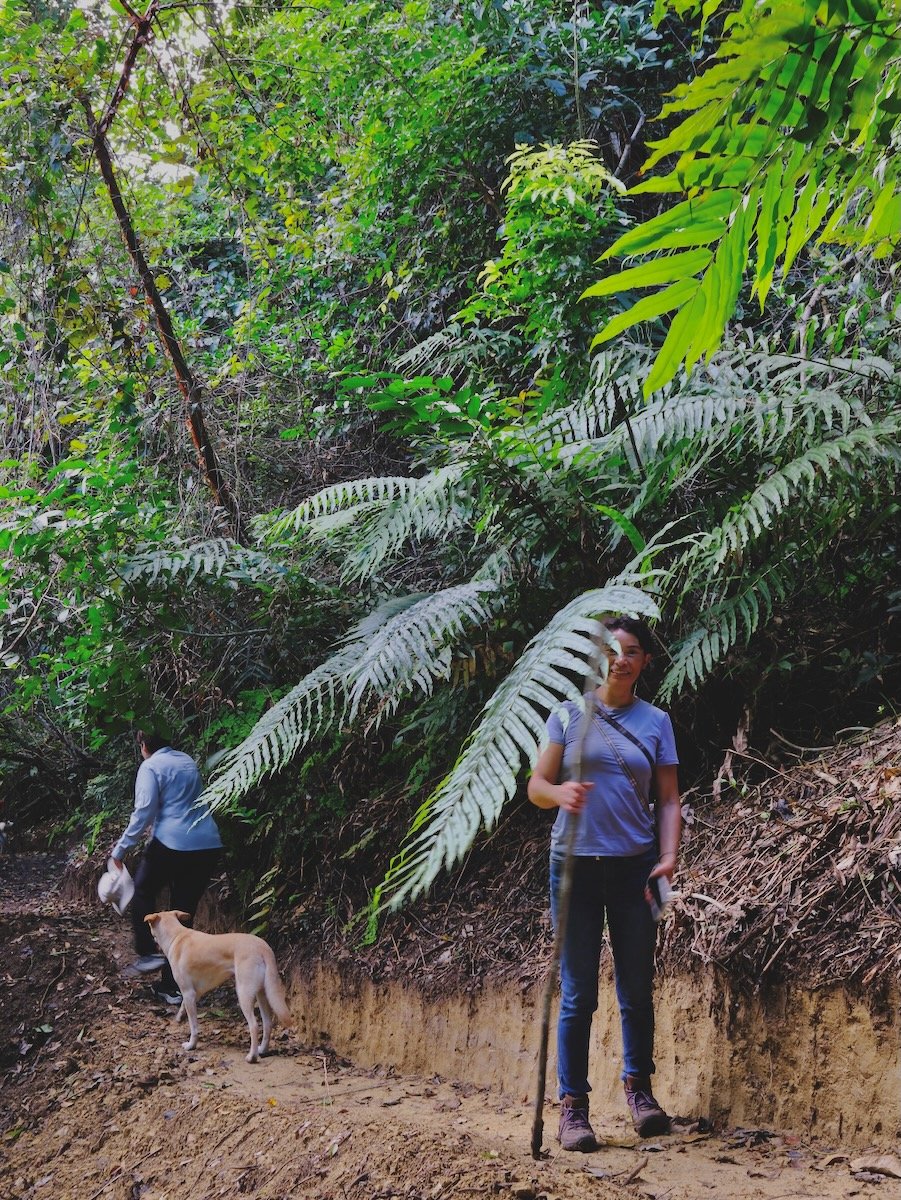
The walk is a closed loop of 3.5 km: you start and finish at the same point. The first half climbs — steadily, on built steps, with no scrambling — up to the lookout at 211 metres. The group stops there, drinks water, and from the top you can see the whole canopy of the reserve. The second half is all downhill.
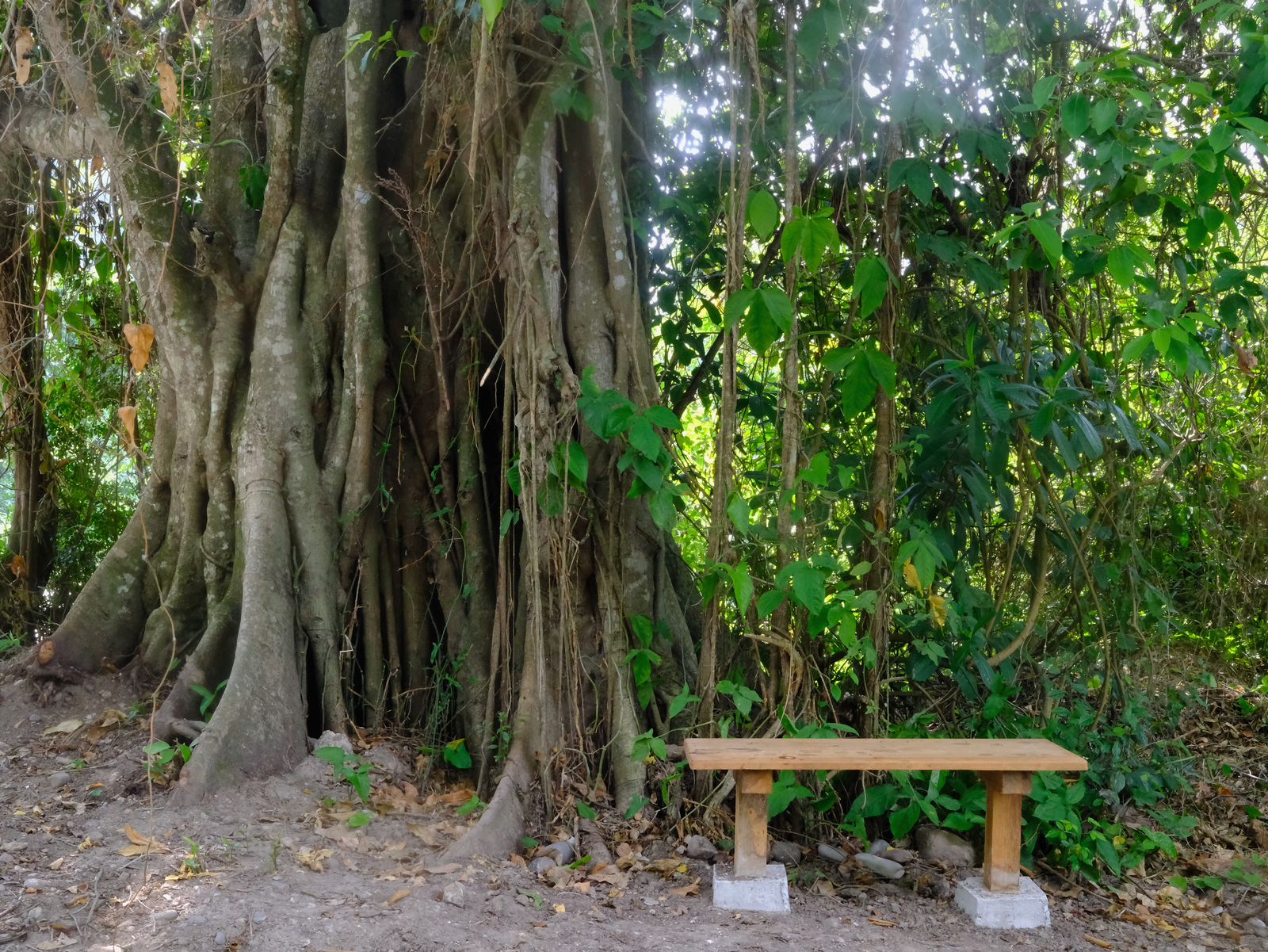
You walk under the canopy of century-old ceibas and amates, the trees that hold this place together. Along the way you'll meet wild vanilla growing where it has always grown, and see the native stingless bees at work — the pollinators that make all this biodiversity possible.
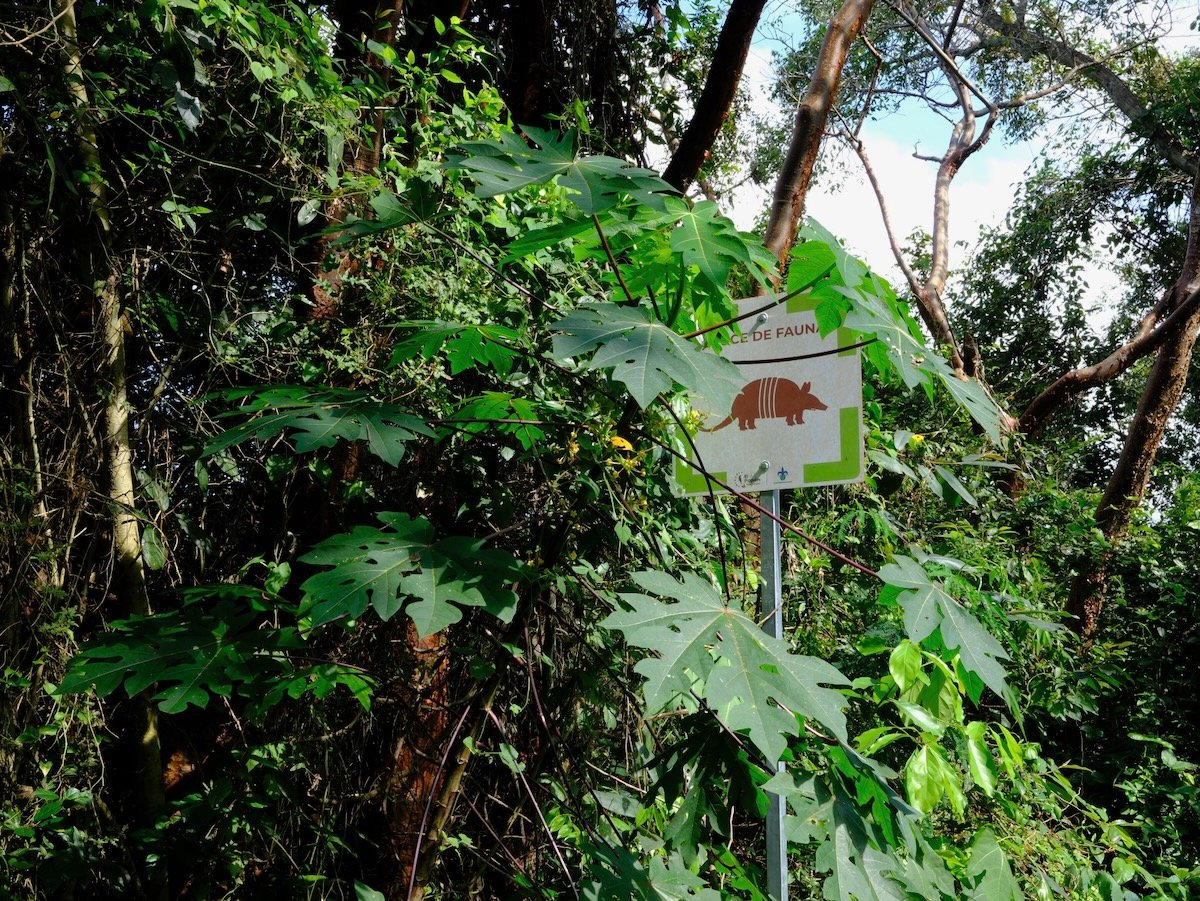
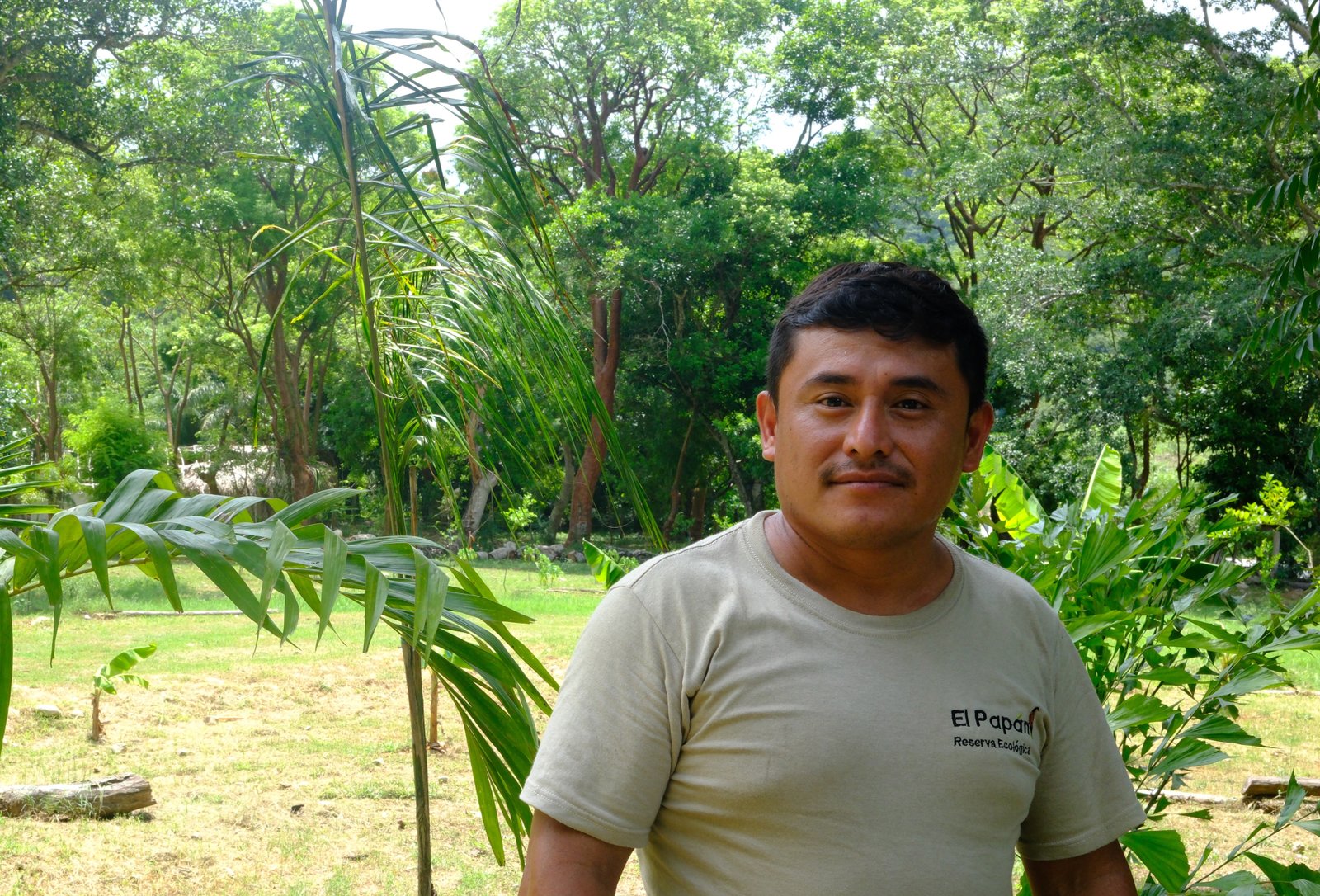
David, your guide, teaches you to spot animal tracks, to recognise the call of the Papán Real, and to read the signs of a jungle in recovery. You leave understanding the place, not just having seen it.
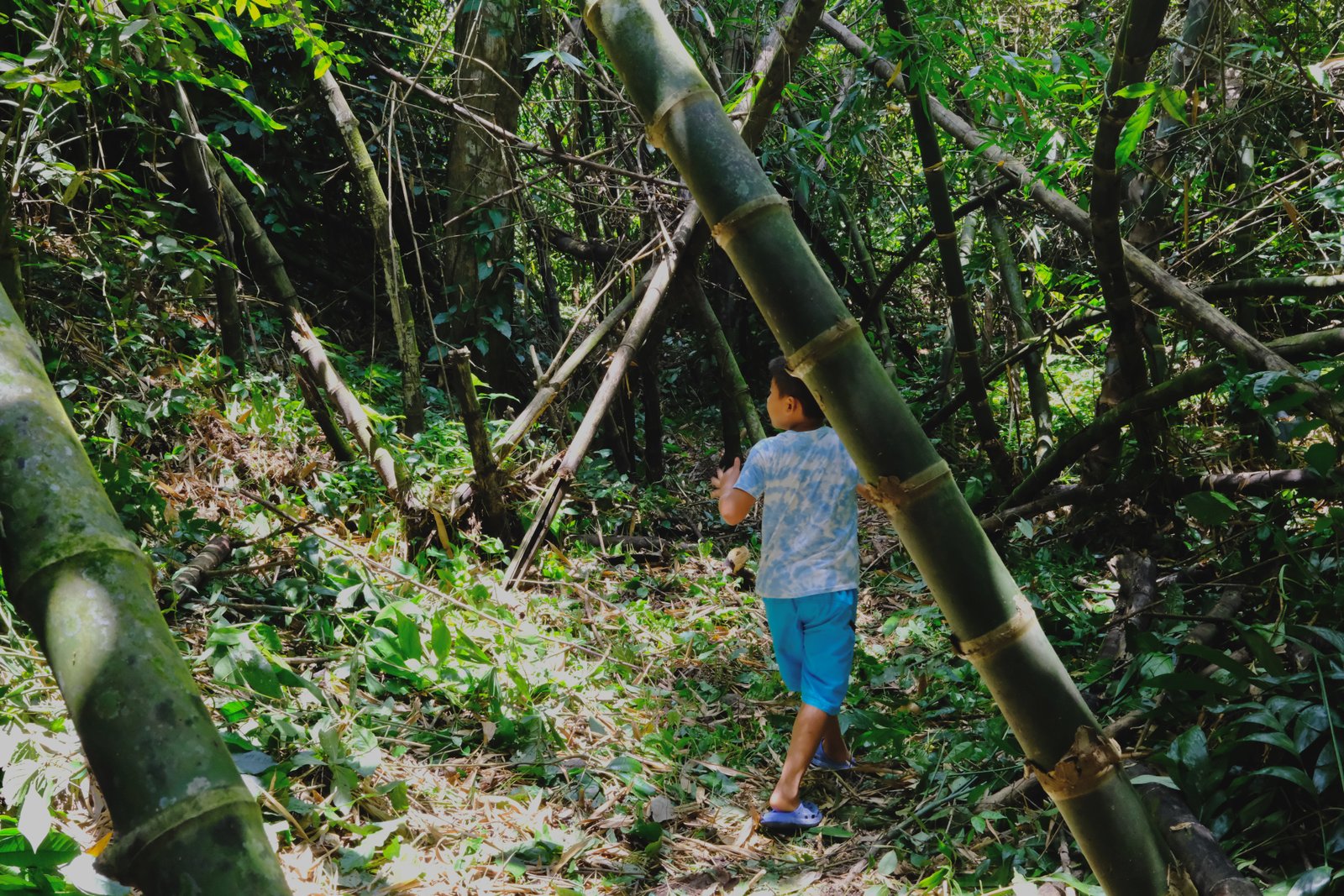
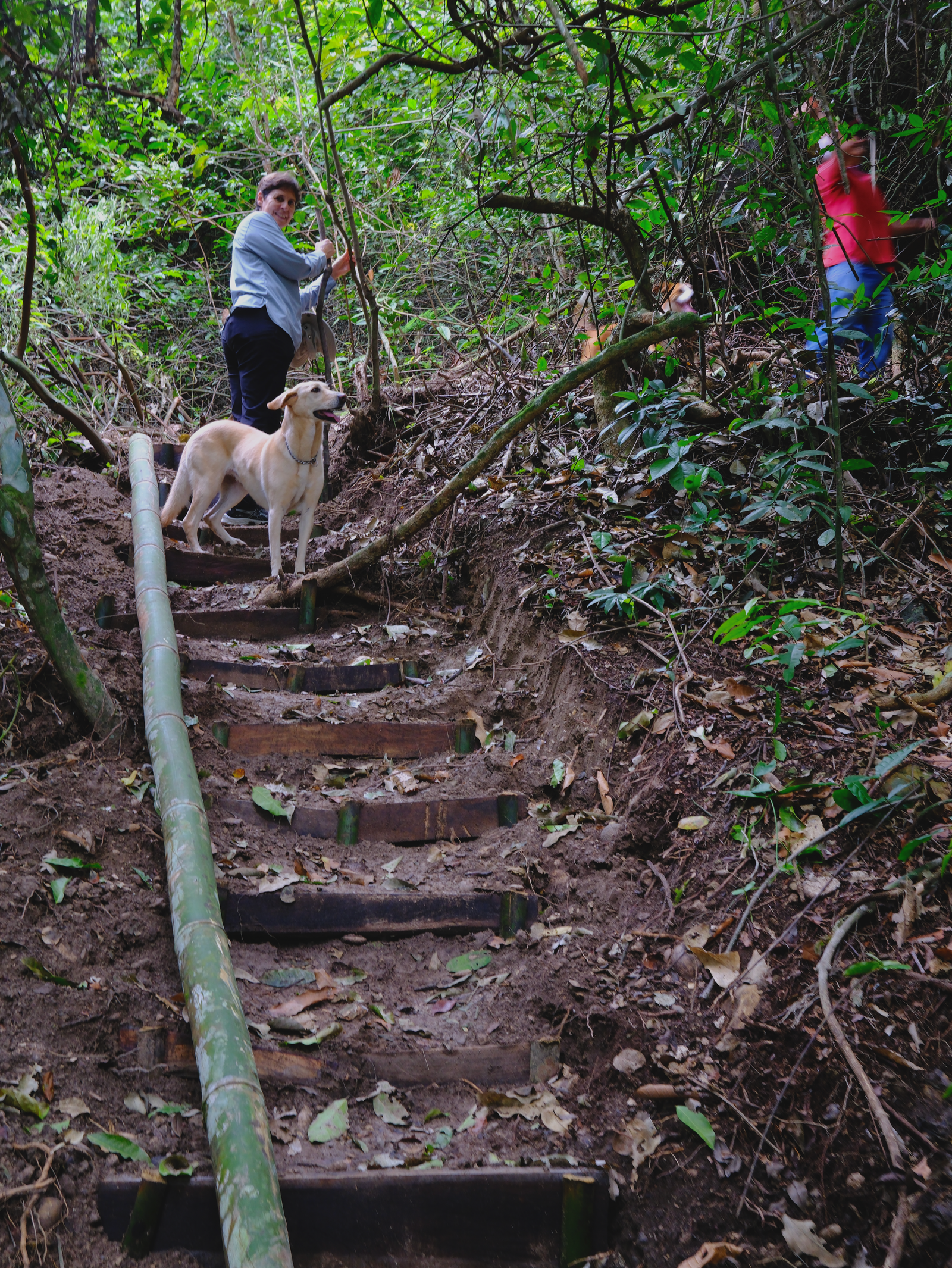
The Totonacapan was once crossed by walking paths: narrow tracks that followed the slope, linked the springs, and were built from whatever timber was at hand. Almost none of them survive. This trail follows that same logic and uses those same materials — more than 200 steps of bamboo and split chijol, a dense local hardwood, driven into the hillside by the reserve's own crew, along with 15 resting benches and a lookout at the top. That's why you can climb 100 metres inside the jungle without being a mountaineer.
200+
Steps
Bamboo and split chijol, a hardwood from this region. They hold the slope in place and stop the rain from carrying the soil away.
15
Chijol benches
Spread along the whole loop, set on concrete footings. Stop wherever you like — nobody here is in a hurry.
211 m
Lookout at the summit
The highest point of the loop, right at the halfway mark. From up there you see the reserve's jungle in full.
Measured by GPS on the trail itself.
108 m at the start · 211 m at the lookout · 3.5 km
David is a local guide and knows the wildlife and plants of the Totonacapan jungle — not just what they're called, but what they've been used for here for generations: which tree heals, which one you can eat, which one you build with, which one was sacred before the conquest.
That's the difference between walking through a jungle and understanding one. You could cover the trail in an hour; what David tells you along the way is what makes it worth two.
You set the pace. David adapts the route to the group: if you're coming with children or would rather take it easy, the loop can be shortened, or swapped for the Water Route, which follows the river and barely climbs at all.
Coming from El Tajín?
We're 15 minutes from the archaeological site. You can add a traditional Totonac meal with advance booking and make it a full day.
Difficulty: moderate
That's 100 metres of climbing spread over 1.7 km, on built steps, with 15 benches to stop at. You don't need to be in special shape, but it isn't a flat stroll either. If you'd prefer something lighter, the Water Route follows the river and barely climbs.
To protect the wildlife, access to the core zone is organised in small groups by time slot. Departures from 2 people.
What to bring
Lightweight long trousers, breathable clothing and closed shoes (hiking boots or trainers with good grip). Skip sandals and strong fragrances — they make wildlife harder to spot.
The rest goes untrodden. That's exactly why the trail exists: to concentrate every visitor's footsteps onto a single built line, so the wildlife keeps the rest of the reserve to itself.
Keeping those 3.5 km open is year-round work: clearing regrowth, replacing steps that rot in the humidity, checking benches, holding the slope together after every rainy season. Your ticket pays for that maintenance and for the wages of the people who do it. You aren't buying a walk — you're paying for these 206 hectares to stay standing, and for only a fraction of them to be walked on.
Pick your date and time slot. Places are limited each day to protect the ecosystem.