El Papán Reserve
|
Ecological Engineering
Science and Regeneration
Syntropic cacao as a comprehensive solution to the systemic crisis in Veracruz.
Syntropic cacao as a comprehensive solution to the systemic crisis in Veracruz.
Faced with the ecological and social exhaustion of monoculture, we are implementing a science-backed alternative based on diversification and soil restoration.
Citrus monoculture offers only seasonal and low-income employment. This has caused mass migration and critical abandonment of the countryside in Totonacapan.
The intensive use of agrochemicals has eliminated soil microbiology, drastically reducing its natural fertility and water retention capacity.
Cultivating cacao under the shade of native woods and vanilla regenerates soil structure, requires specialized technical management, and generates dignified, sustained employment.
This is how the earth responds when treated with respect and science. A real comparison of our demonstration plots at El Papán.
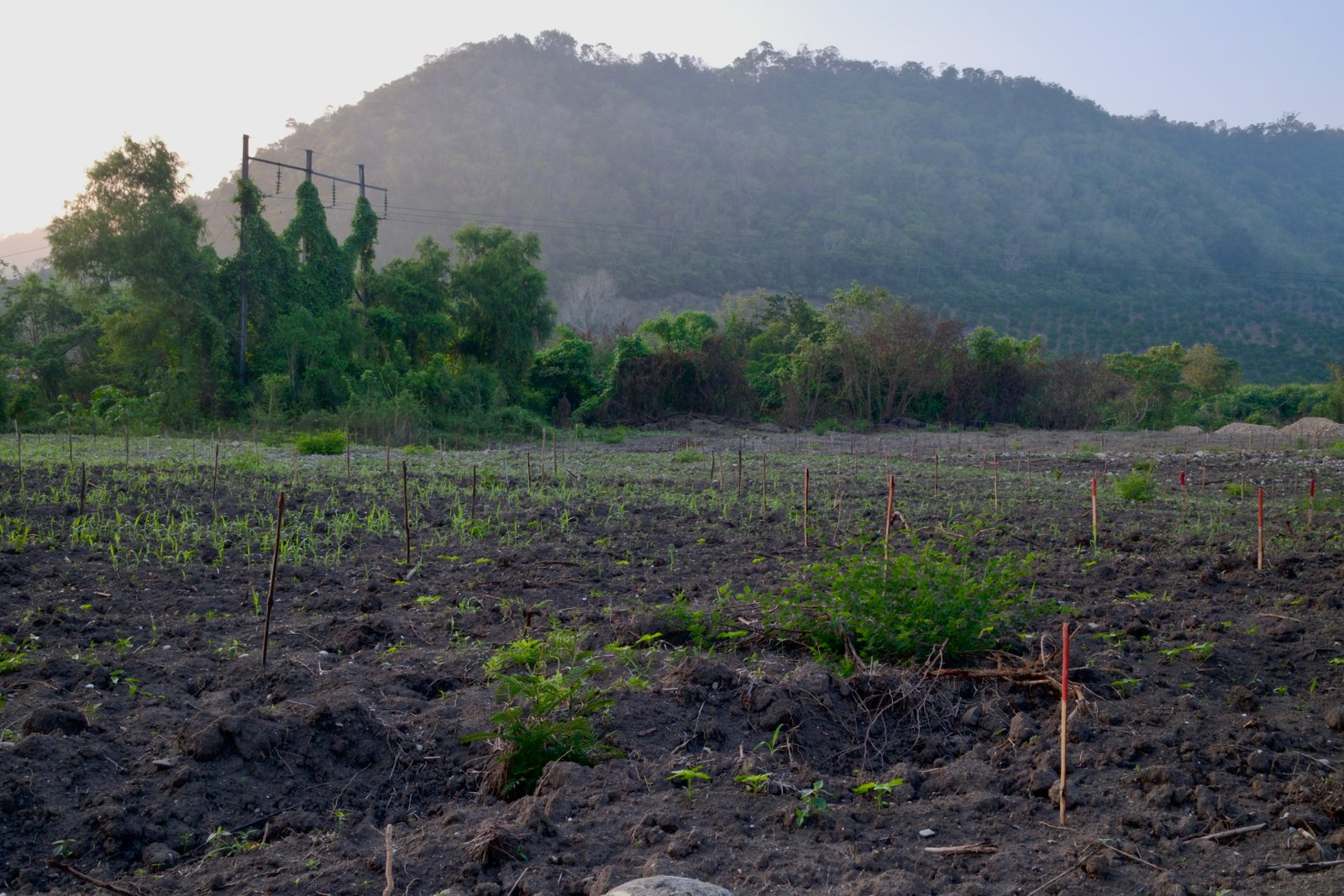
Compacted soil and scarce vegetation cover after decades of mismanagement.
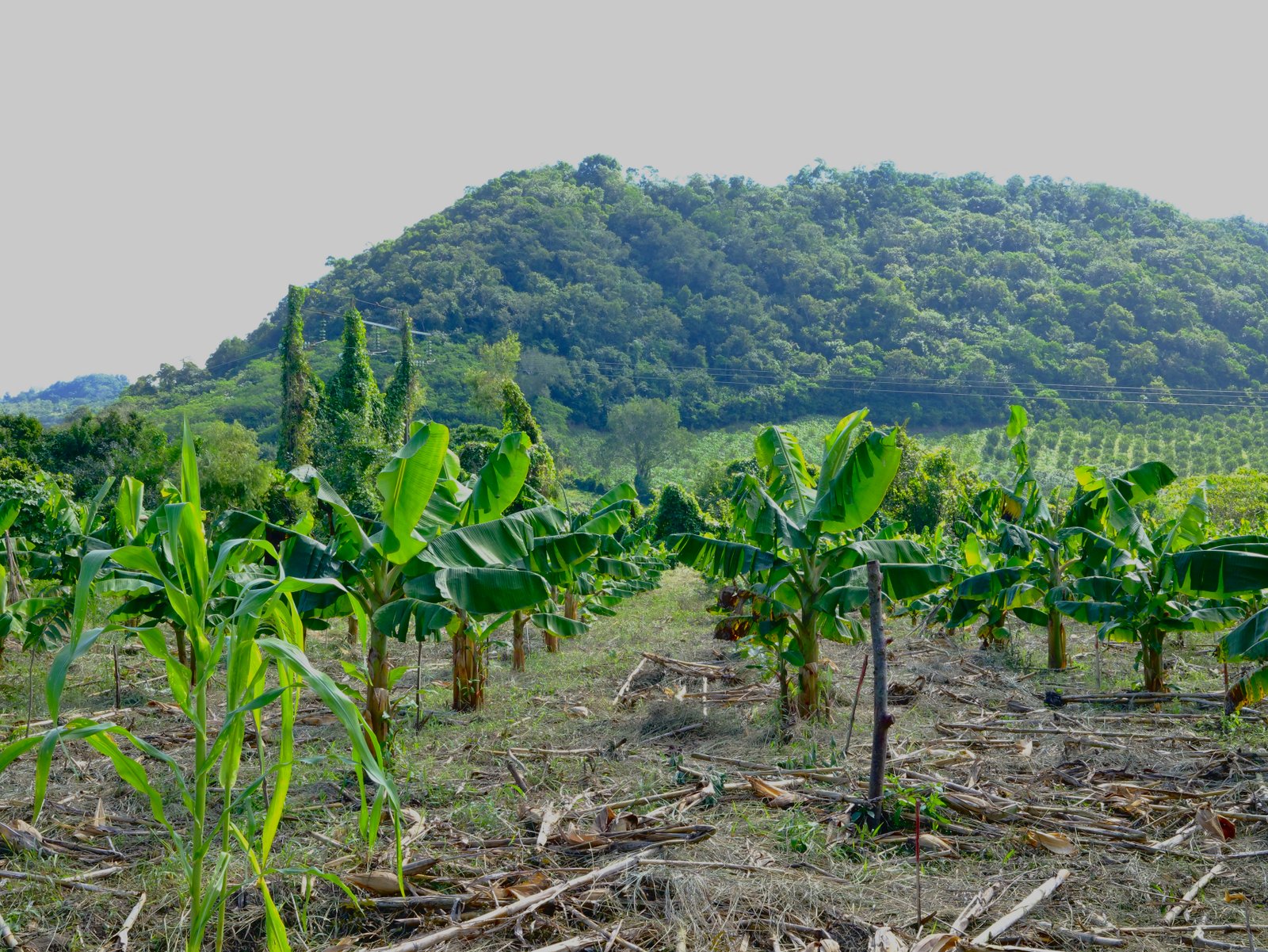
Initial recovery of vegetation structure and establishment of the first corridors.
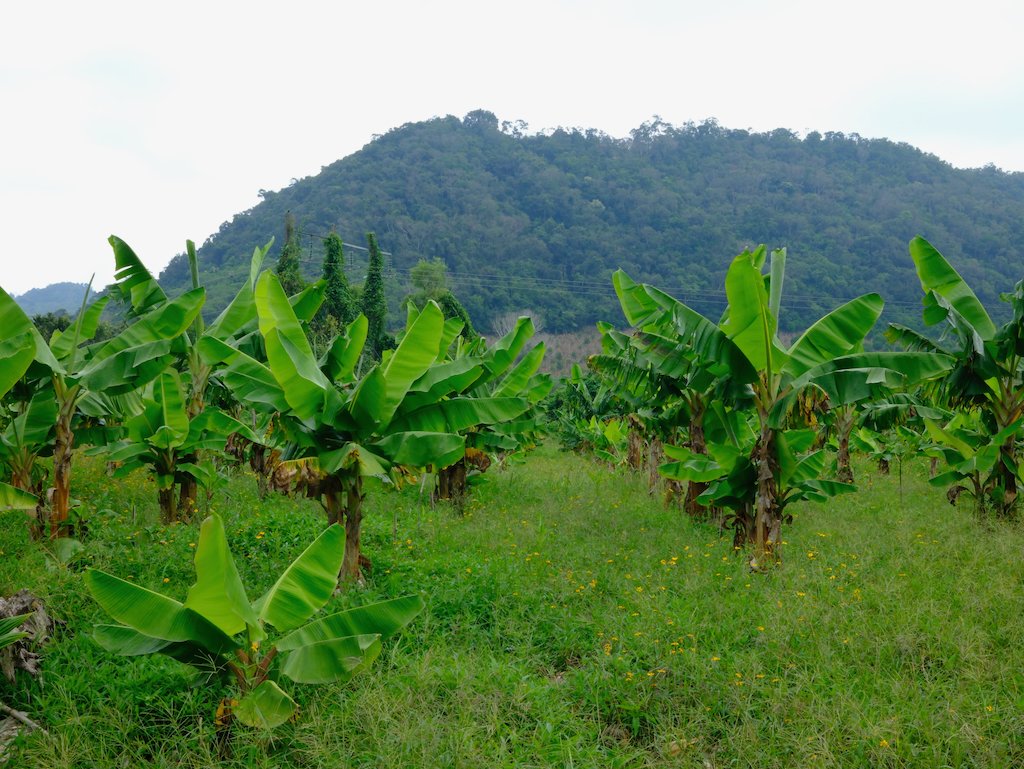
Living soil, moisture retention, and syntropic ecosystem in consolidation.
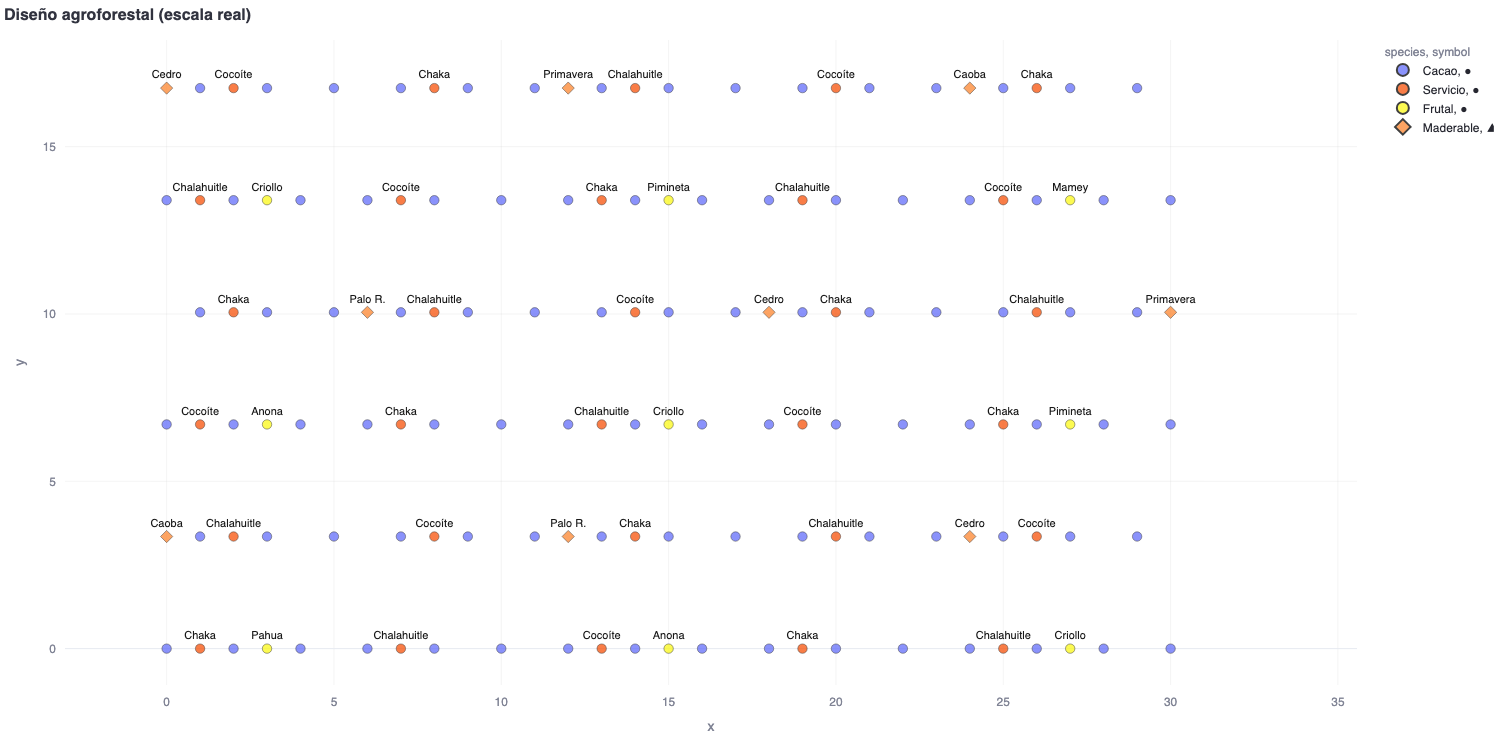
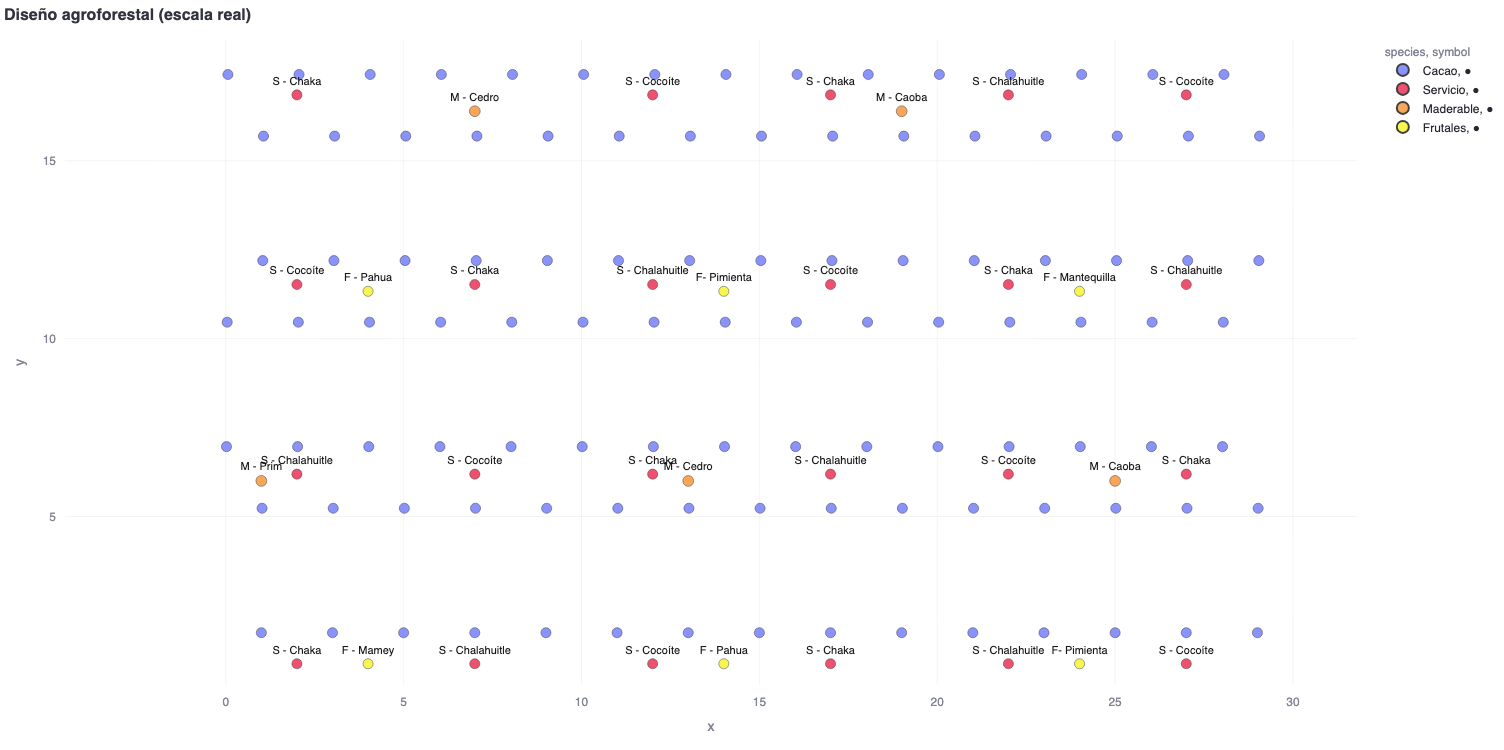
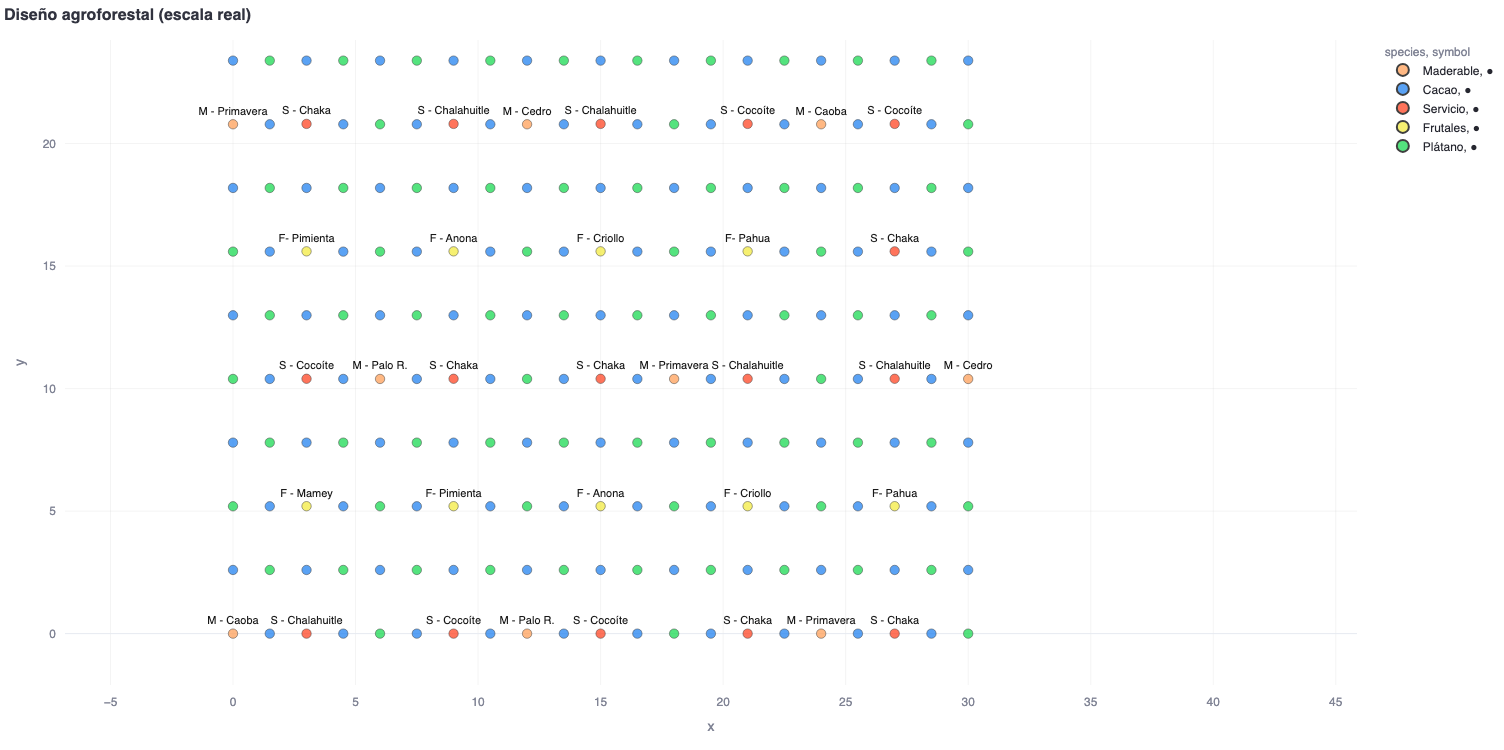
We design and implement three schemes adapted to specific topographical and financial objectives:
Designed for maximum canopy recovery and long-term production of precious woods. Ideal for our steepest buffer zones.
All our engineering is backed by and developed in collaboration with the Universidad Veracruzana (UV). Their agricultural science researchers validate our protocols and direct the selection of resilient cacao genetics.
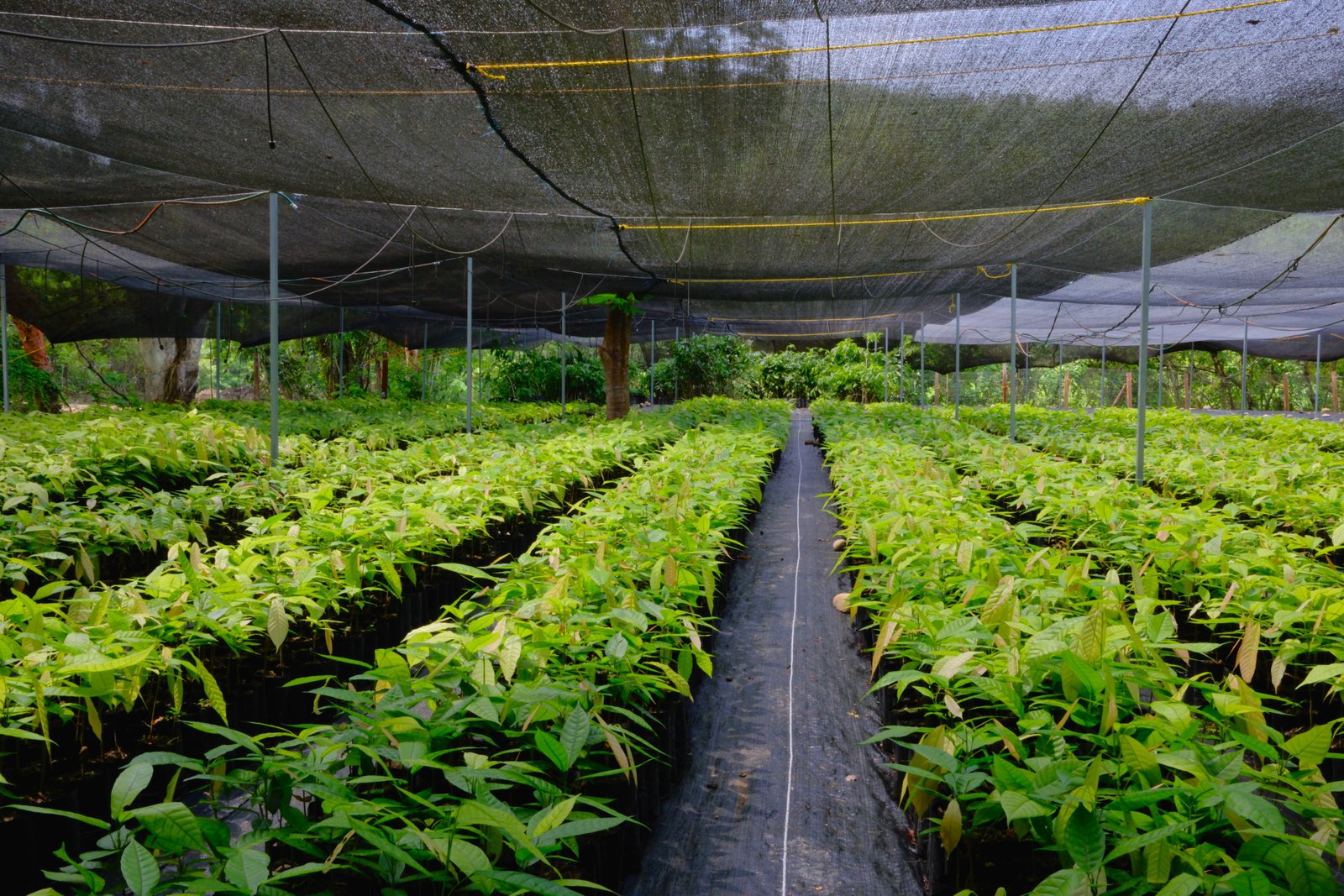
With an installed capacity to produce 70,000 plants per year, our nursery not only supplies El Papán but also serves as the main germplasm bank to spark agroforestry reconversion throughout the region.
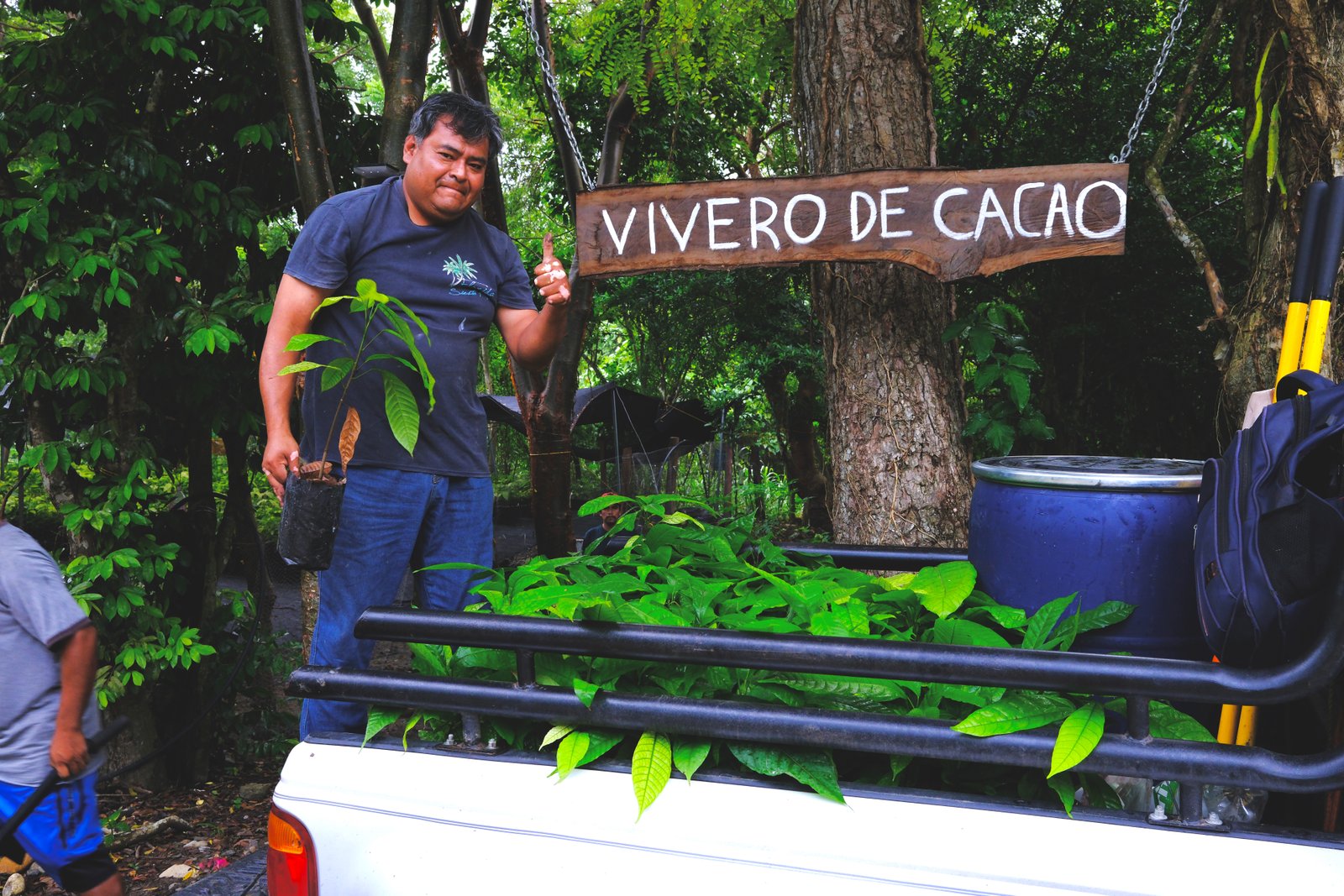
Propagation Center
Genetic rescue of Fine-Flavor Cacao
Establishment of the Mother Nursery (70,000 plants). Planting of +10,000 native trees and the first 6 hectares under an agroforestry system. Initial LiDAR technology implementation.
Selection of elite scions in coordination with the Universidad Veracruzana. Intensive field grafting campaign to guarantee optimal flavor profiles for the premium market.
Rigorous formation pruning of cacao and temporary shade regulation. Primary timber trees reach functional height to consolidate the jungle microclimate.
Obtaining the first commercial pods. Full operation of the mango wood fermentation boxes to produce the founding batch of The Real Chocolate Project.
Fascinated by the science behind the project? Become a Jungle Guardian. Closely follow our technical progress, visit your plots, and enjoy the cacao you help cultivate.
$8 USD/mo
$25 USD/mo
$75 USD/mo
Schedule your Visit